
How to Plan a Wildlife Safari in India: Complete 2026 Guide
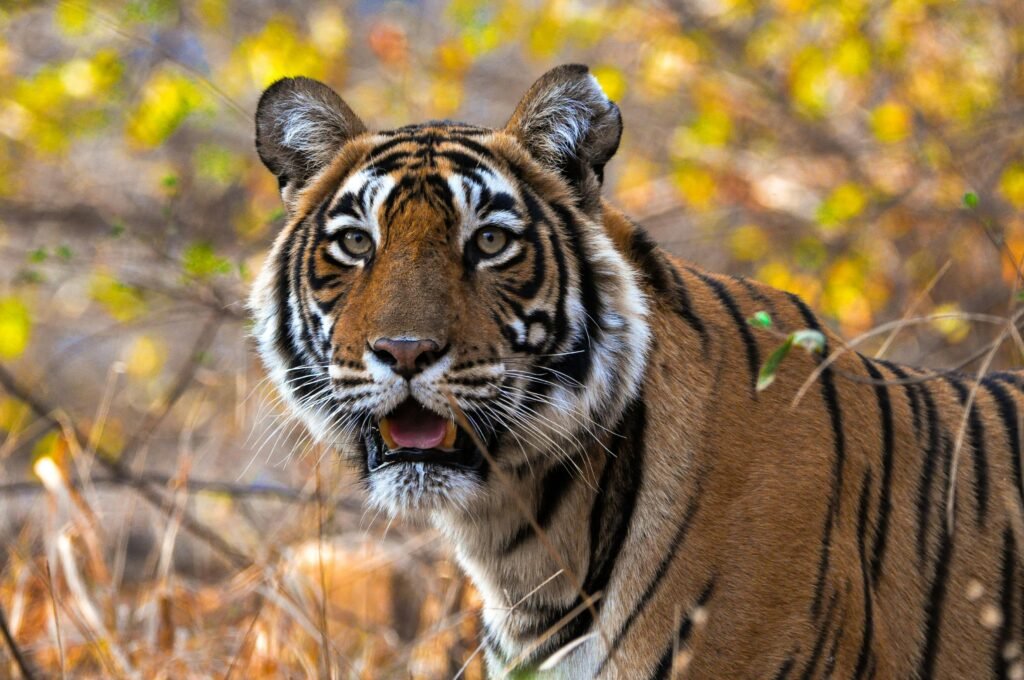
India is home to some of the world’s most incredible wildlife, including Bengal tigers, Asiatic lions, elephants, rhinos, and hundreds of bird species. With more than 100 national parks and over 550 wildlife sanctuaries, the country offers unforgettable nature experiences.
But planning a safari in India can feel confusing for first-time travelers. Choosing the right park, booking permits, and preparing for the journey all require careful planning.
This guide will help you understand how to plan a wildlife safari in India step by step, so your 2026 adventure becomes a truly memorable experience.
Why India Is One of the Best Safari Destinations in the World
India protects a huge variety of ecosystems including forests, grasslands, wetlands, mountains, and mangrove forests.
Because of this diversity, wildlife travelers can experience:
- Bengal tigers in central Indian forests
- One-horned rhinos in Assam
- Asiatic lions in Gujarat
- Elephants in southern India
- Rare migratory birds in wetlands
India also has a strong wildlife conservation program through Project Tiger, which has helped increase the tiger population to more than 3,600 wild tigers.
For nature lovers and photographers, India offers some of the most exciting wildlife experiences on the planet.
Step 1: Choose the Right National Park
Different national parks offer different wildlife experiences.
Best Parks for Tiger Safaris
Ranthambore National Park – Rajasthan
One of India’s most famous tiger reserves. Tigers are often seen near lakes and historic ruins.
Best time to visit: October to June.
Bandhavgarh National Park – Madhya Pradesh
Known for one of the highest tiger densities in India and dramatic forest landscapes.
Best time to visit: October to June.
Tadoba Andhari Tiger Reserve – Maharashtra
One of the best places in India for consistent tiger sightings, especially in summer months.
Best time to visit: October to June.
Jim Corbett National Park – Uttarakhand
India’s oldest national park with diverse habitats including rivers, forests, and grasslands.
Best time to visit: November to June.
Parks Famous for Other Wildlife
Kaziranga National Park – Assam
A UNESCO World Heritage Site known for the one-horned rhinoceros and high wildlife density.
Best time to visit: November to April.
Gir National Park – Gujarat
The only place in the world where you can see the Asiatic lion in the wild.
Best time to visit: December to March.
Keoladeo National Park – Rajasthan
A famous bird sanctuary attracting migratory birds from across the world.
Best time to visit: October to February.
Step 2: Understand Safari Permits
Safari permits are issued by the state forest departments.
Because national parks limit the number of vehicles allowed inside the forest, permits can sell out quickly.
Important Permit Tips
- Booking usually opens 90–120 days in advance
- Popular zones sell out within minutes
- Identification documents are required
- Permits are non-transferable
Many travelers prefer booking through wildlife travel experts who handle permits, accommodation, and logistics together.
Jeep Safari vs Canter Safari
| Feature | Jeep Safari | Canter Safari |
|---|---|---|
| Group Size | 4–6 people | 15–20 people |
| Cost | Higher | More affordable |
| Flexibility | High | Limited |
| Photography | Excellent | Moderate |
A jeep safari offers a more private and flexible wildlife experience, while a canter safari is a larger shared vehicle option.
Step 3: Estimate Your Safari Budget
Safari costs depend on the park, accommodation, and travel style.
Typical Safari Costs
Safari permit: ₹1,500 – ₹5,000 per person
Accommodation: ₹2,000 – ₹25,000 per night
Transport: varies by location
Guide and vehicle fees: mandatory in most parks
A basic 3-day safari trip may cost around ₹35,000 per person, while luxury wildlife lodges can cost significantly more.
Step 4: What to Pack for a Safari
Packing correctly can make your safari more comfortable.
Clothing
- Neutral colors like khaki, green, and brown
- Light breathable clothes
- Light jacket for early mornings
Avoid bright colors.
Essential Gear
- Binoculars
- Camera with zoom lens
- Extra batteries or power bank
- Sunglasses and sunscreen
- Wide hat
- Reusable water bottle
Health and Safety Items
- Personal medications
- Basic first aid kit
- Insect repellent
Always follow your guide’s instructions during safari drives.
Step 5: Practice Responsible Wildlife Tourism
Responsible travel helps protect wildlife and local communities.
Important Safari Etiquette
- Stay seated inside the vehicle
- Avoid loud noises
- Do not feed wildlife
- Never litter in the forest
- Follow park rules and guide instructions
Supporting ethical tourism helps ensure that wildlife conservation continues to succeed.
Combine Wildlife With Cultural Experiences
Many safari destinations are close to historic towns and cultural attractions.
For example:
- Explore forts near Ranthambore
- Visit tribal villages near Kanha
- Discover local markets near Tadoba
Combining wildlife and culture creates a richer travel experience.
Frequently Asked Questions
How far in advance should I book a safari?
It is best to book 90–120 days in advance, especially for peak travel months.
What is the best time to see tigers?
Summer months March to June usually provide the best tiger sightings.
Are wildlife safaris safe?
Yes. Safaris are safe when visitors follow park rules and stay inside vehicles.
Are tiger sightings guaranteed?
No wildlife sighting can ever be guaranteed, but some parks offer higher chances.
Can beginners go on wildlife safaris?
Yes. Many parks are perfect for first-time safari travelers.
Plan Your Safari With Jungle Yatra
Planning a wildlife safari involves many steps including choosing the park, booking permits, arranging accommodation, and organizing transport.
Jungle Yatra specializes in creating custom wildlife safari experiences across India’s top national parks.
Whether you want to explore Tadoba, Ranthambore, Bandhavgarh, or Kaziranga, the team can help design a safari itinerary tailored to your interests.
Visit: Jungle Yatra
to learn more about wildlife tours and safari packages.